Peel and Stick Backsplash Review: Does it Damage Walls?
A peel and stick backsplash can be a tempting solution for a quick and easy kitchen or bathroom update. It's affordable, DIY-friendly, and comes in a wide variety of styles. But there's one question that gives many people pause: will it damage my walls? The short answer is: it depends. In this article, we'll take a closer look at peel and stick backsplashes and the factors that determine whether or not they'll leave your walls in pristine condition.
What is a Peel and Stick Backsplash?
A peel and stick backsplash is exactly what it sounds like: a decorative tile or panel with an adhesive backing that you can stick directly to your wall. They're typically made from vinyl or other lightweight materials, and they come in a wide range of colors, patterns, and textures. From realistic-looking subway tiles to intricate mosaic designs, there's a peel and stick backsplash to suit every taste.
The Million-Dollar Question: Will it Damage My Walls?
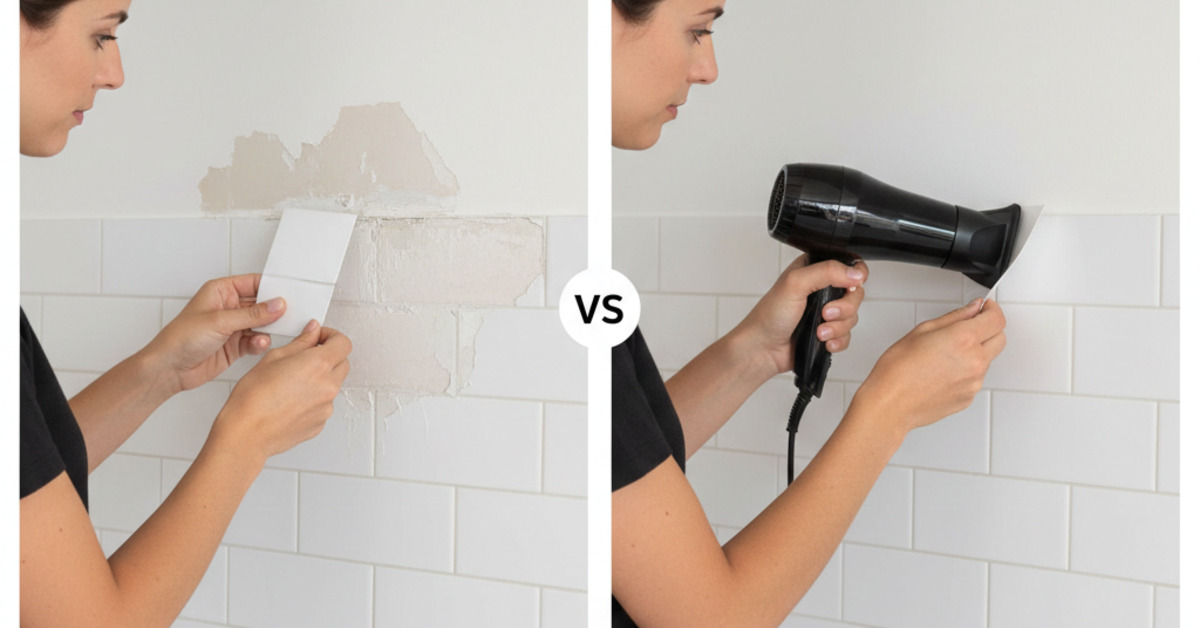
The potential for wall damage is the biggest concern for most people considering a peel and stick backsplash. The good news is that most modern peel and stick backsplashes are designed to be removable without causing damage. However, there are a few factors that can increase the risk of wall damage:
- Wall surface: Peel and stick backsplashes adhere best to smooth, clean, and non-porous surfaces. If your walls are textured, uneven, or painted with a low-quality paint, the adhesive may not stick properly and could pull off paint or drywall when you try to remove it.
- Adhesive strength: Not all peel and stick backsplashes are created equal. Some have a more aggressive adhesive than others. Look for products that are specifically marketed as "removable" or "temporary."
- Installation: Proper installation is key to preventing wall damage. Make sure your walls are clean and dry before you begin, and follow the manufacturer's instructions carefully.
- Removal: When it comes time to remove the backsplash, do it slowly and carefully. Use a hairdryer to gently warm the adhesive, which will make it easier to peel off.
How to Minimize the Risk of Wall Damage
Here are a few tips to help you minimize the risk of wall damage when using a peel and stick backsplash:
- Test a small area first: Before you commit to covering an entire wall, test a small, inconspicuous area to see how the adhesive reacts with your paint and drywall.
- Prepare your walls properly: Make sure your walls are clean, dry, and smooth before you begin.
- Use a high-quality product: Choose a peel and stick backsplash from a reputable brand that is specifically designed to be removable.
- Remove it carefully: When it's time to take it down, use a hairdryer to warm the adhesive and peel it off slowly and gently.
The Verdict
A peel and stick backsplash can be a great way to update your kitchen or bathroom without the hassle and expense of a traditional tile installation. While there is a risk of wall damage, it can be minimized by choosing the right product and following the proper installation and removal procedures. If you're a renter or you're looking for a temporary design solution, a peel and stick backsplash is definitely worth considering.