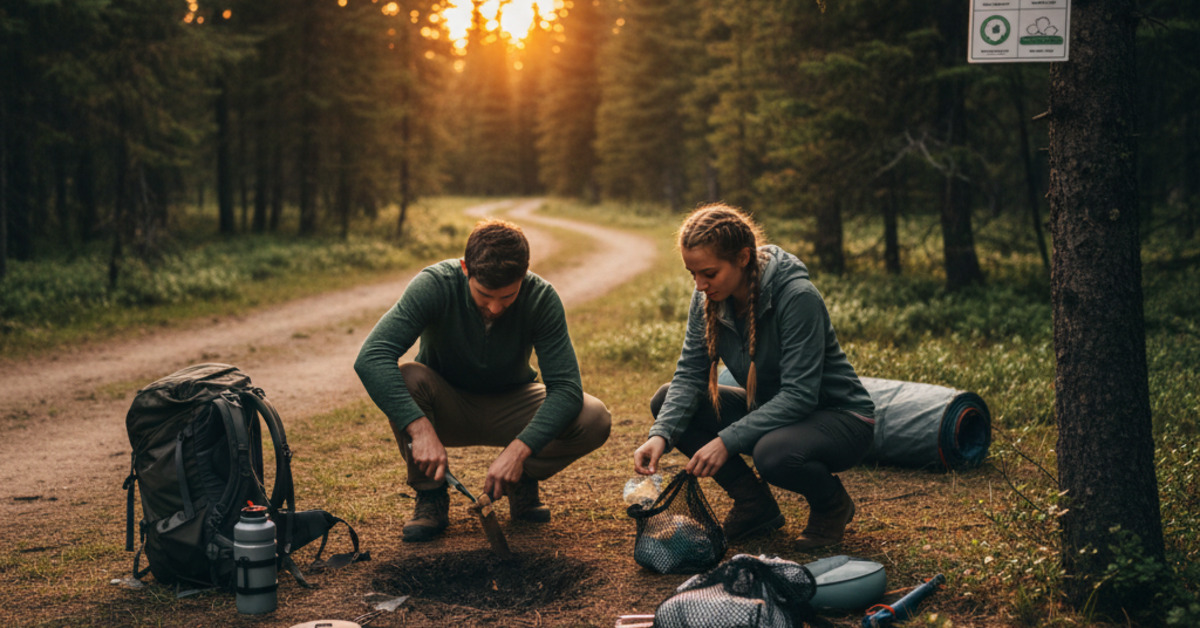
Leave No Trace Principles: A Guide for Campers
The outdoors provide us with a beautiful and inspiring place to recreate. But it's also a fragile environment that can be easily damaged by human activity. That's why it's so important to practice Leave No Trace principles when we're in the outdoors. The Leave No Trace principles are a set of guidelines for enjoying the outdoors responsibly and minimizing our impact on the environment.
The 7 Principles of Leave No Trace
There are seven Leave No Trace principles:
1. Plan Ahead and Prepare
- Know the regulations and special concerns for the area you'll visit.
- Prepare for extreme weather, hazards, and emergencies.
- Schedule your trip to avoid times of high use.
- Visit in small groups when possible.
- Repackage food to minimize waste.
- Use a map and compass to eliminate the use of marking paint, rock cairns, or flagging.
2. Travel and Camp on Durable Surfaces
- Durable surfaces include established trails and campsites, rock, gravel, dry grasses, or snow.
- Protect riparian areas by camping at least 200 feet from lakes and streams.
- Good campsites are found, not made. Altering a site is not necessary.
- In popular areas, concentrate use on existing trails and campsites.
- In pristine areas, disperse use to prevent the creation of campsites and trails.
3. Dispose of Waste Properly
- Pack it in, pack it out. Inspect your campsite and rest areas for trash or spilled foods.
- Deposit solid human waste in catholes dug 6 to 8 inches deep, at least 200 feet from water, camp, and trails.
- To wash yourself or your dishes, carry water 200 feet away from streams or lakes and use small amounts of biodegradable soap.
4. Leave What You Find
- Preserve the past: examine, but do not touch, cultural or historic structures and artifacts.
- Leave rocks, plants, and other natural objects as you find them.
- Avoid introducing or transporting non-native species.
- Do not build structures, furniture, or dig trenches.
5. Minimize Campfire Impacts
- Campfires can cause lasting impacts to the backcountry. Where fires are permitted, use established fire rings, fire pans, or mound fires.
- Keep fires small. Only use sticks from the ground that can be broken by hand.
- Burn all wood and coals to ash, put out campfires completely, then scatter cool ashes.
- Consider using a lightweight stove for cooking and enjoy a candle lantern for light.
6. Respect Wildlife
- Observe wildlife from a distance. Do not follow or approach them.
- Never feed animals. Feeding wildlife damages their health, alters natural behaviors, and exposes them to predators and other dangers.
- Protect wildlife and your food by storing rations and trash securely.
- Control pets at all times, or leave them at home.
- Avoid wildlife during sensitive times: mating, nesting, raising young, or winter.
7. Be Considerate of Other Visitors
- Respect other visitors and protect the quality of their experience.
- Be courteous. Yield to other users on the trail.
- Take breaks and camp away from trails and other visitors.
- Let nature's sounds prevail. Avoid loud voices and noises.
The Bottom Line
The Leave No Trace principles are a simple and effective way to protect the outdoors and minimize our impact on the environment. By following these principles, we can all do our part to ensure that the wilderness remains a beautiful and inspiring place for generations to come.