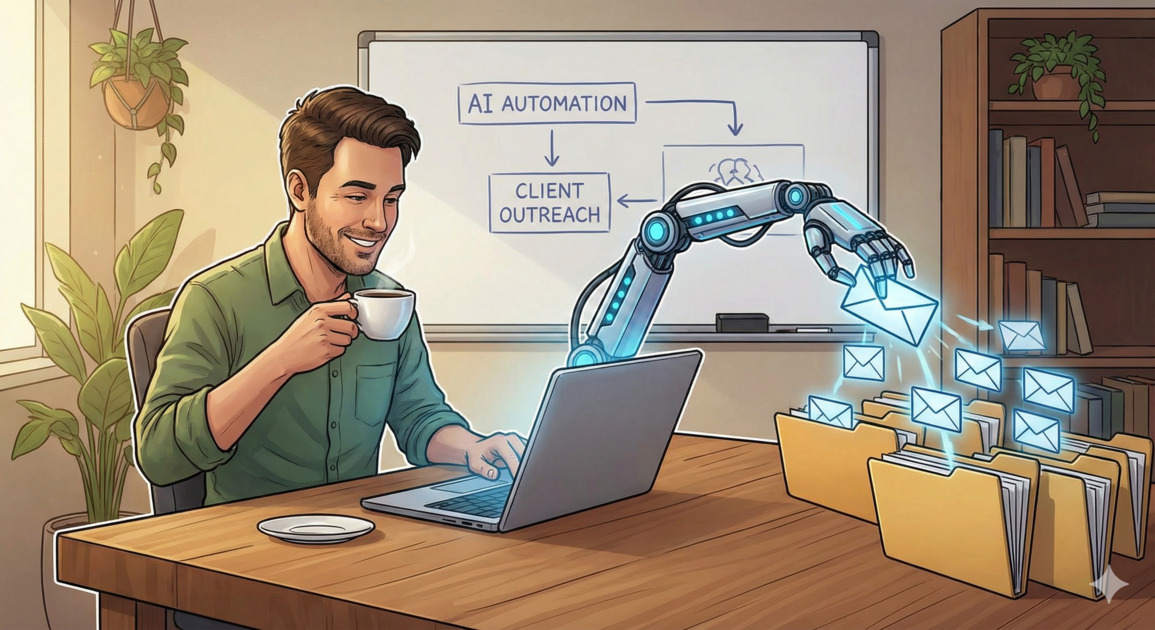
How Small Business Owners Can Automate Emails Using AI
For the average small business owner, the inbox is a source of constant anxiety. Between managing operations, handling finances, and actually doing the work, replying to every inquiry personally is impossible. Yet, neglecting email means missed opportunities and frustrated customers.
The solution isn’t hiring a 24/7 assistant; it’s adopting smarter technology. Artificial intelligence has moved beyond buzzwords and into practical application. By using AI for email automation, you can clone your best communication habits at scale without losing the personal touch.
Here is how small business owners can start reducing manual email tasks using artificial intelligence.
Going Beyond the Basic Autoresponder
Most businesses already use basic automation: an "out of office" reply or a "thank you for subscribing" confirmation. This is rules-based automation. It’s helpful, but dumb.
AI automation introduces intelligence. Instead of just sending a pre-written template based on a trigger, AI tools can analyze incoming message context, determine intent, and draft personalized responses based on your business’s data.
It’s the difference between a robot saying "Message Received" and a smart assistant saying, "I see you're asking about our pricing tier; here is that information."
3 Practical Ways to Implement AI Email Automation
You don't need an enterprise-level budget to start. Many affordable AI email assistants for entrepreneurs are now integrated into platforms like HubSpot, Mailchimp, or stand-alone tools that connect to Gmail and Outlook.
1. Smart FAQ Handling
How many times a week do you answer the exact same question about your hours, return policy, or basic service offerings?
AI tools can now be trained on your company documents or website. When an email arrives asking a common question, the AI can draft an accurate, natural-sounding response for you to review and send with one click. This massively speeds up response times and ensures consistency.
2. Hyper-Personalized Nurture Sequences
Sending the same generic newsletter to everyone on your list is losing effectiveness. Customers expect relevance.
AI excels at analyzing customer behavior—what they clicked, what they bought last, and how long it’s been since their last interaction. You can set up workflows where AI generates unique email copy tailored to segments of your audience. This is how to personalize emails without writing them manually for every single prospect.
3. Intelligent Post-Purchase Follow-ups
The sale shouldn’t be the end of the conversation. Automating customer follow-ups with AI ensures no client falls through the cracks.
Instead of a generic "How was it?" email three days later, AI can draft a check-in based on what they bought. If they purchased a complex product, the AI could send helpful usage tips. If they bought a consumable, it could calculate the likely restock date and draft a timely reminder.
Start Small to Win Big
Don’t try to overhaul your entire communication strategy overnight. Pick one repetitive email task—like onboarding new clients or chasing unpaid invoices—and implement an AI workflow for that specific bottleneck.
By offloading these routine communications to AI, you aren't removing the human element; you are freeing up your time to have real, high-value conversations when they matter most.