How to Train a Rescue Dog with Separation Anxiety
Adopting a rescue dog is a deeply rewarding experience, but the transition period often comes with challenges. One of the most common, and heartbreaking, issues new owners face is separation anxiety. When the door closes, the panic begins—barking, destruction, and house soiling.
It is crucial to understand that a rescue dog with separation anxiety isn't being "bad" or spiteful. They are experiencing a genuine panic attack. Their previous life may have lacked stability, making your departure feel like abandonment. Settling a newly adopted rescue dog requires patience, empathy, and a shift in how you view training—it’s less about obedience and more about building confidence.
Here is a practical approach to helping your rescue feel secure when you aren't there.
1. Establish a "Canine Safe Zone"
Before you even attempt to leave the house, your dog needs a space where they feel secure that isn't dependent on your immediate presence.
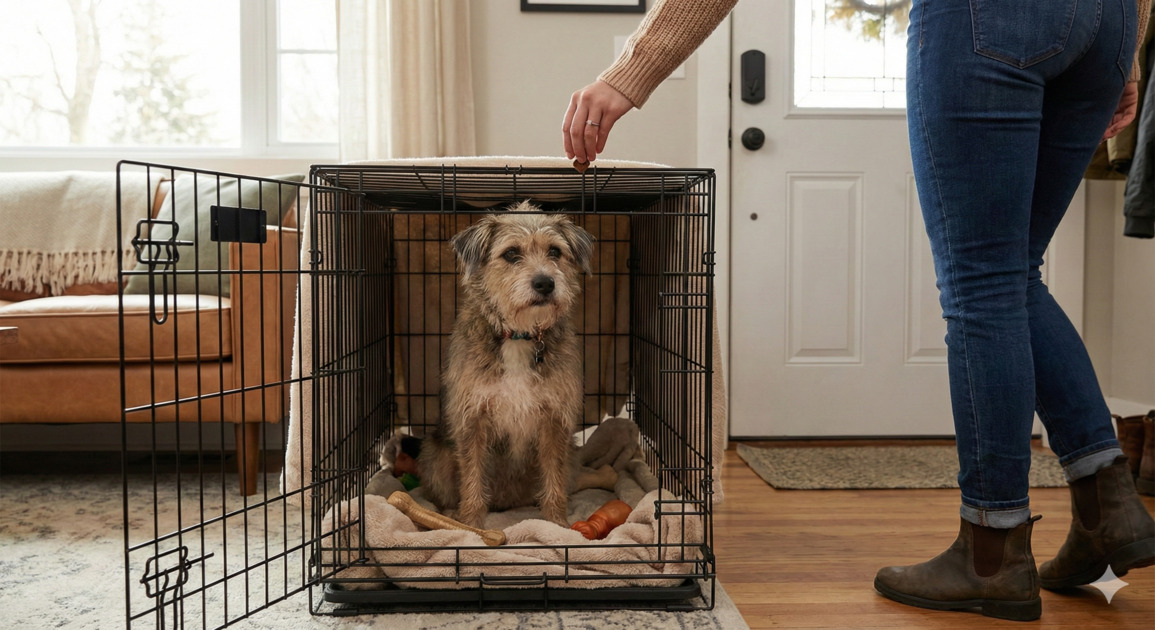
Creating a canine safe zone—whether it’s a comfortable crate, an exercise pen, or a gated-off mudroom—is essential. This area should never be used for punishment. Fill it with comforting items: a soft bed, an article of clothing that smells like you, and high-value, long-lasting chews or puzzle toys. The goal is to teach the dog that great things happen in this space, even when you are in another room.
2. Desensitizing Departure Cues
Dogs are masters of pattern recognition. They know that putting on shoes, grabbing keys, or picking up a backpack means you are leaving. These actions become "triggers" that spike their anxiety before you’ve even touched the doorknob.
You need to break these associations through desensitizing departure cues. Several times a day, perform these actions without leaving:
- Pick up your keys, jingle them, then sit down and watch TV.
- Put on your coat, walk around the kitchen, then take it off.
- Open the garage door, then immediately close it and return to your coffee.
Eventually, these cues will lose their power to induce panic because they no longer reliably predict your absence.
3. The Gradual Departure Method
The biggest mistake owners make is moving too fast. If your dog panics after one minute, leaving for an hour will only reinforce their fear. You must keep your training "sub-threshold"—meaning you return before the panic starts.
Start painfully slow:
- Step outside the door and immediately return.
- Do this ten times until the dog is bored.
- Next, step out for three seconds. Then five. Then ten.
If the dog whines or barks, you have pushed too far. Wait for a brief moment of silence before returning, and decrease the time duration on the next attempt. This slow buildup is the only path to long-term success.
4. Master Low-Key Arrivals and Departures
Our natural instinct when leaving a sad dog is to comfort them, and when returning to a happy dog, to celebrate. Unfortunately, this fuels anxiety. It makes your absence seem like a tragedy and your return the only moment of relief.
Practice low-key arrivals and departures. When leaving, casually say a calm phrase like "be right back," toss a treat into their safe zone, and walk out. When you return, ignore the dog completely for the first few minutes until they are calm. Only then should you calmly greet them. This teaches them that your coming and going is a non-event.
Final Thoughts
Healing separation anxiety takes time. There is no quick fix. If your rescue dog’s anxiety is severe, leading to self-injury or extreme panic, consult your veterinarian or a certified veterinary behaviorist about combining behavior modification with temporary medication. Be patient; you are teaching them that they are safe, and you will always come back.