Thrifting Guide: Unearthing High-Quality Used Clothes
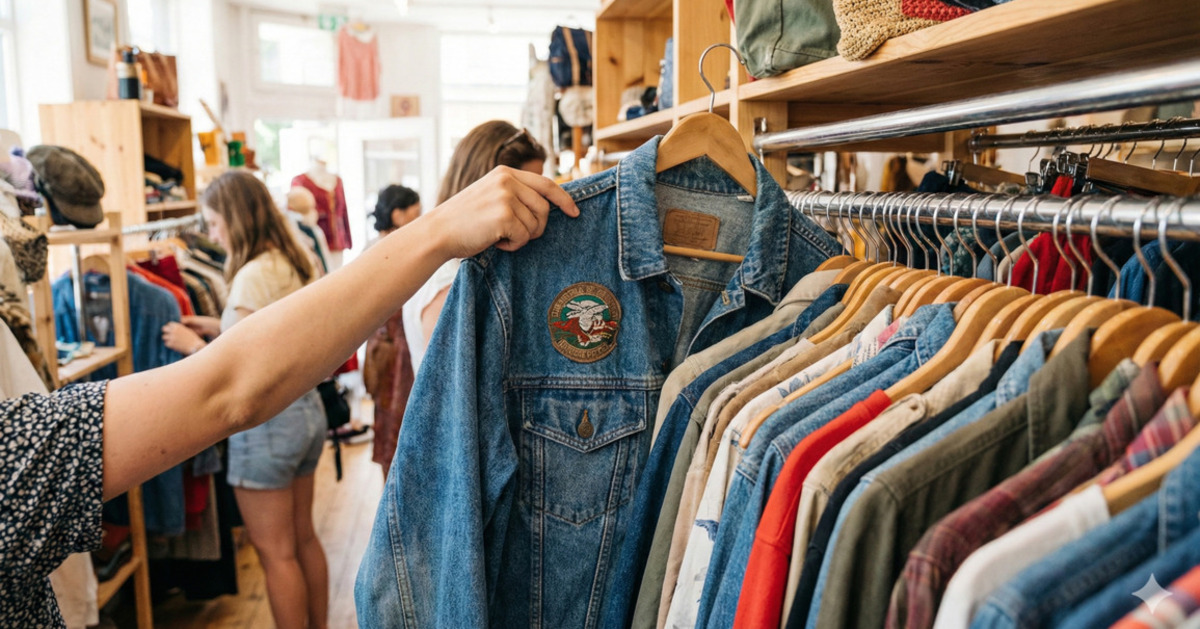
In an era of fast fashion and ever-changing trends, embracing sustainable fashion through thrifting has become more popular than ever. Not only does it reduce environmental impact, but it also offers a unique opportunity to cultivate a distinctive style without breaking the bank. But how do you navigate the racks of second-hand stores to find those genuine high-quality used clothes? This comprehensive guide will equip you with the knowledge and strategies to become a savvy thrifter, consistently discovering true fashion gems.
Pre-Thrift Preparation: Your Treasure Map
Before you even step foot into a thrift store, a little preparation can significantly boost your success. Start by understanding your personal style and identifying any gaps in your wardrobe. Do you need a classic blazer, a sturdy pair of jeans, or perhaps a unique vintage dress? Make a list. This prevents impulse buys and keeps you focused on items that will genuinely enhance your collection. Researching best thrift store finds or specific brands known for durability can also give you an edge. Knowing what fabrics last, like wool, linen, silk, and high-thread-count cotton, is crucial for finding durable clothing.
Where to Hunt: Beyond the Obvious
While local charity shops are a great starting point, broaden your horizons. Upscale consignment stores, often located in affluent neighborhoods, are fantastic for designer labels at a fraction of the original cost. Estate sales can yield untouched vintage pieces, sometimes even with original tags. Online thrift platforms also offer a curated selection, though you miss the tactile experience of inspecting items yourself. For vintage clothing treasure hunt enthusiasts, patience and exploration are key.
The Art of Inspection: Quality Over Quantity
This is where the rubber meets the road for smart thrifting. When you spot a potential item, don't just grab it. Take your time to thoroughly inspect it.
- Fabric First: Feel the material. Does it feel substantial and soft, or thin and flimsy? Look for natural fibers like cotton, wool, silk, and linen which are generally more durable and breathable than synthetics. Avoid excessive pilling.
- Seam Strength: Tug gently at the seams. Are they tight and reinforced, or loose and fraying? Well-constructed garments have even, sturdy stitching.
- Check for Damage: Look for stains (especially in armpits, collars, and cuffs), tears, holes, and fading. While minor flaws might be fixable, significant damage often isn't worth the effort.
- Hardware and Zippers: Test all zippers, buttons, and snaps. Are they functional and securely attached? High-quality hardware is a good indicator of overall garment quality.
- Fit is King: Don't assume everything can be altered. Try items on whenever possible. A perfect fit might be rare, but a close-to-perfect fit is much better than something requiring extensive tailoring. Consider garments that might be slightly oversized for a trendy, relaxed look or easy alterations.
Cleaning and Care: Bringing Your Finds to Life
Once you've made your selections and brought home your pre-loved clothing, give them a thorough wash. Use appropriate detergents and follow care labels if available. For delicate vintage pieces, handwashing or dry cleaning might be necessary. Repair any minor flaws, such as loose buttons or small tears, to extend the life of your new-to-you garment.
Thrifting is more than just saving money; it's about making ethical fashion choices, embracing individuality, and discovering the stories behind your clothes. By following these second-hand clothing tips, you'll transform your thrifting trips from random rummaging into focused treasure hunts, building a truly unique and sustainable wardrobe. Happy thrifting!