The "Magic Mineral" for Sleep and Relaxation
Magnesium is an essential mineral that plays a role in over 300 enzymatic reactions in the human body. It's crucial for everything from muscle function to blood sugar regulation. But recently, it's gained immense popularity as a natural, effective supplement for improving sleep and reducing anxiety.
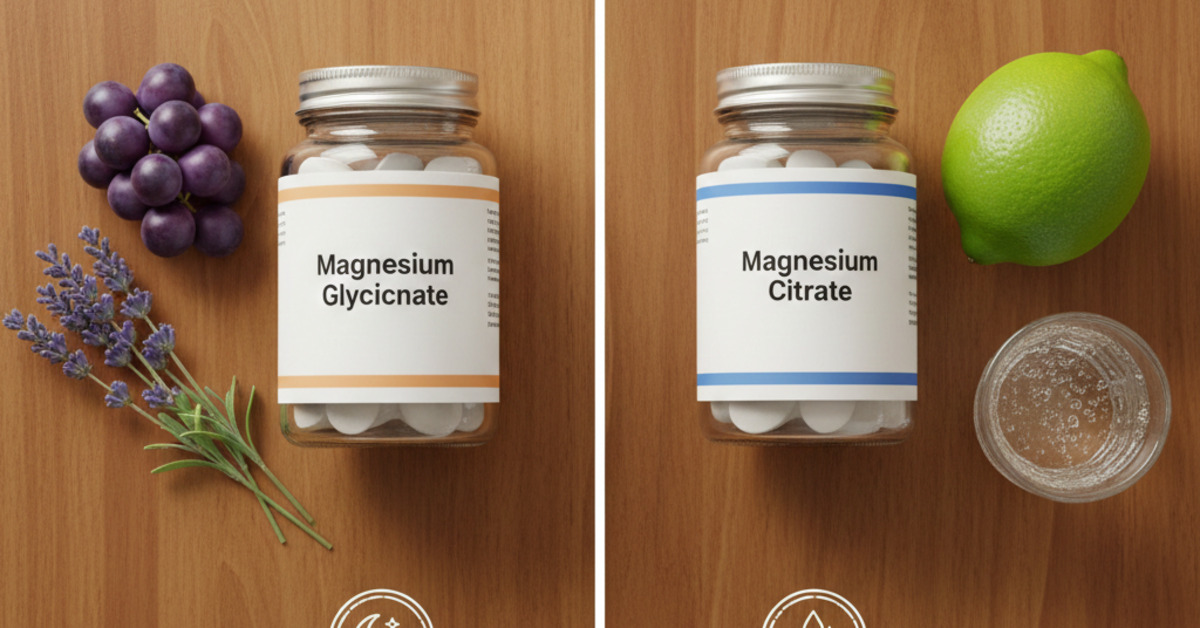
However, a quick walk down the supplement aisle reveals a confusing array of options: magnesium oxide, citrate, glycinate, threonate, and more. When it comes to sleep, the two most commonly discussed forms are citrate and glycinate. While both provide magnesium, they have very different primary effects on the body. Understanding this magnesium glycinate vs citrate debate is key to choosing the right supplement for your needs.
How Magnesium Improves Sleep
Before diving into the different forms, it's important to understand why magnesium is considered one of the best natural sleep aids.
- It Regulates Neurotransmitters: Magnesium helps to regulate neurotransmitters that promote calm and relaxation. Specifically, it binds to and stimulates GABA (gamma-aminobutyric acid) receptors in the brain, which is the primary neurotransmitter responsible for quieting down nerve activity.
- It Relaxes Muscles: Magnesium plays a key role in muscle contraction and relaxation. Adequate levels can help alleviate physical tension and restlessness at night.
- It Supports Melatonin Production: It helps regulate the hormone melatonin, which governs your body's sleep-wake cycles.
Magnesium Citrate: The Mover
- What it is: Magnesium bound with citric acid.
- Primary Benefit: Magnesium citrate is best known for its laxative effect. It has high bioavailability, meaning it's well-absorbed, but it works by drawing water into the intestines, which stimulates bowel motility.
- Use for Sleep: While it provides magnesium that can aid in relaxation, its primary effect is on the digestive system. For this reason, it is not the ideal form of magnesium for sleep. Taking a dose high enough to have a significant calming effect on the brain will likely result in an unwanted trip to the bathroom.
- Best for: Relieving constipation.
Magnesium Glycinate: The Calmer
- What it is: Magnesium bound with the amino acid glycine. This is a chelated form, which means it's very stable and highly bioavailable.
- Primary Benefit: This is where the magic happens for sleep. The amino acid glycine itself acts as an inhibitory neurotransmitter, promoting a sense of calm and relaxation. It can help reduce the time it takes to fall asleep and may lead to deeper, more restorative sleep. The magnesium glycinate benefits are twofold: you get the calming effects of both the magnesium and the glycine.
- Use for Sleep: This is widely considered the best magnesium for sleep. It is highly absorbed and has no significant laxative effect, meaning you can take an effective dose without digestive upset. It is also a top choice of magnesium for anxiety.
- Best for: Improving sleep quality, reducing anxiety, and general relaxation.
The Verdict: What Form of Magnesium is Best?
For the purpose of improving sleep and promoting relaxation, magnesium glycinate is the clear winner. Its combination of highly bioavailable magnesium with the calming amino acid glycine makes it the superior choice for anyone looking to enhance their sleep quality naturally.
When starting any new supplement, it's wise to start with a low dose (around 200mg) taken about an hour before bed to see how your body reacts. As always, consult with your doctor before adding a new supplement to your routine, especially if you have any underlying health conditions.