How to Budget for a Baby on a Low Income: A Practical Guide
Bringing a new life into the world is an incredibly joyous time, but it also brings significant financial anxiety, especially when you are already living on a tight budget. The marketing messages surrounding parenthood can make you feel like you need thousands of dollars of gear just to survive the first month.
The good news is that babies need love, warmth, and safety far more than they need expensive gadgets. Learning how to budget for a baby on a low income is less about increasing your salary and more about strategic planning, embracing simplicity, and utilizing community resources.
Here is a realistic approach to preparing financially for a little one without drowning in debt.
1. Embrace Minimalist Baby Essentials
The first step is drastically redefining what a "need" is. The baby industry is a multi-billion dollar machine designed to make parents feel unprepared if they don't own every specific gadget.
A newborn’s actual requirements are basic: a safe place to sleep, a car seat, food, diapers, and weather-appropriate clothing. Create a minimalist baby registry list focused only on these basics. You can skip the wipe warmers, dedicated changing tables (a pad on a dresser works fine), baby food processors, and excessive toys. Focus your limited funds on a safe crib or bassinet and a new car seat.
2. Secondhand is Your Best Friend
Babies grow incredibly fast. It makes little financial sense to pay full price for items they will only use for three months. Focus on getting an affordable baby essentials list together through secondhand sources.
Saving money on baby clothes is easiest through thrift stores, Facebook Marketplace, or local "Buy Nothing" groups. You can often find entire wardrobes of barely-worn newborn clothes for pennies on the dollar.
Safety Note: Always buy car seats new to ensure they haven't been in an accident. However, strollers, high chairs, and nursery furniture are perfect candidates for buying used—just check online for any product recalls first.
3. Tackling Recurring Costs: Diapers and Feeding
While gear is a one-time cost, diapers and food are constant budget-drainers. These are the most critical items on a newborn expenses checklist for low income families.
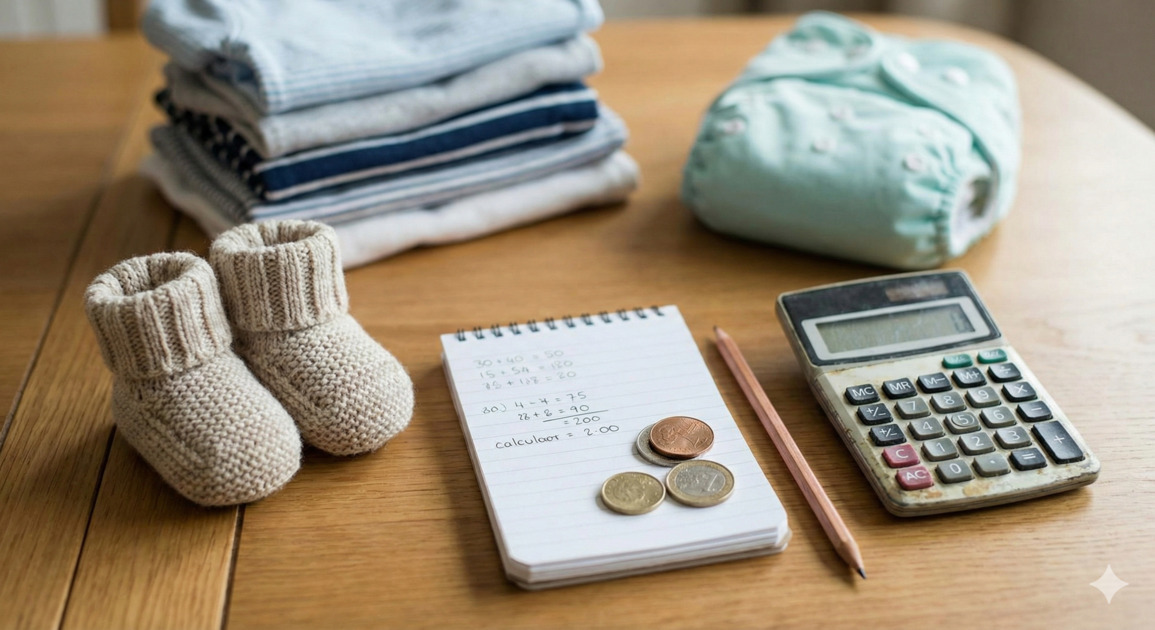
Consider cloth diapering. While there is an upfront cost, cloth diapering on a budget using simple pre-folds and waterproof covers can save thousands over the couple of years your child is in diapers. If using disposables, buy generic brands in bulk and utilize coupons.
If breastfeeding is an option, it is free. If formula is necessary, sign up for every manufacturer sample program available and speak to your pediatrician about sample cans.
4. Utilize Community and Government Resources
There is absolutely no shame in accessing help; these programs exist exactly for this phase of life. Look into government programs like WIC (Women, Infants, and Children) which helps with nutrition and formula, or SNAP for groceries.
Local food banks often have diapers and wipes available. Furthermore, researching free baby stuff for low income families in your specific city can yield amazing resources through local churches, pregnancy centers, or charities that offer "baby boutiques" where you can spend points earned through parenting classes.
Your baby won't know if their stroller is brand new or third-hand. By focusing on the essentials and swallowing pride to use available resources, you can welcome your little one without financial panic.